Water Refinery Systems: Industrial Treatment Solutions
Discover how water refinery systems work in industrial settings and what these technologies mean for residential water treatment in 2026.
By the WaterLux Editorial Team · Published 2026-03-20 · Updated 2026-09-28
The term water refinery often conjures images of massive industrial facilities processing millions of gallons daily, but the fundamental principles behind these systems have profound implications for residential water treatment. Understanding how industrial water refinery operations work provides valuable insight into the technologies that can protect your home's water quality. In 2026, South Florida homeowners face unique water challenges ranging from hard water to contamination concerns, and learning from industrial-scale solutions helps identify the most effective residential applications.
Understanding Water Refinery Operations
Last updated: April 2026 · Reviewed by WaterLux Water Treatment specialists
The short answer: South Florida homeowners in Broward County benefit from professional water treatment because local tap water from the Biscayne Aquifer contains hard minerals (10.8–22.2 GPG before treatment), chlorine, and trace contaminants. The right system protects your family's health, extends appliance life, and delivers clean water from every tap.
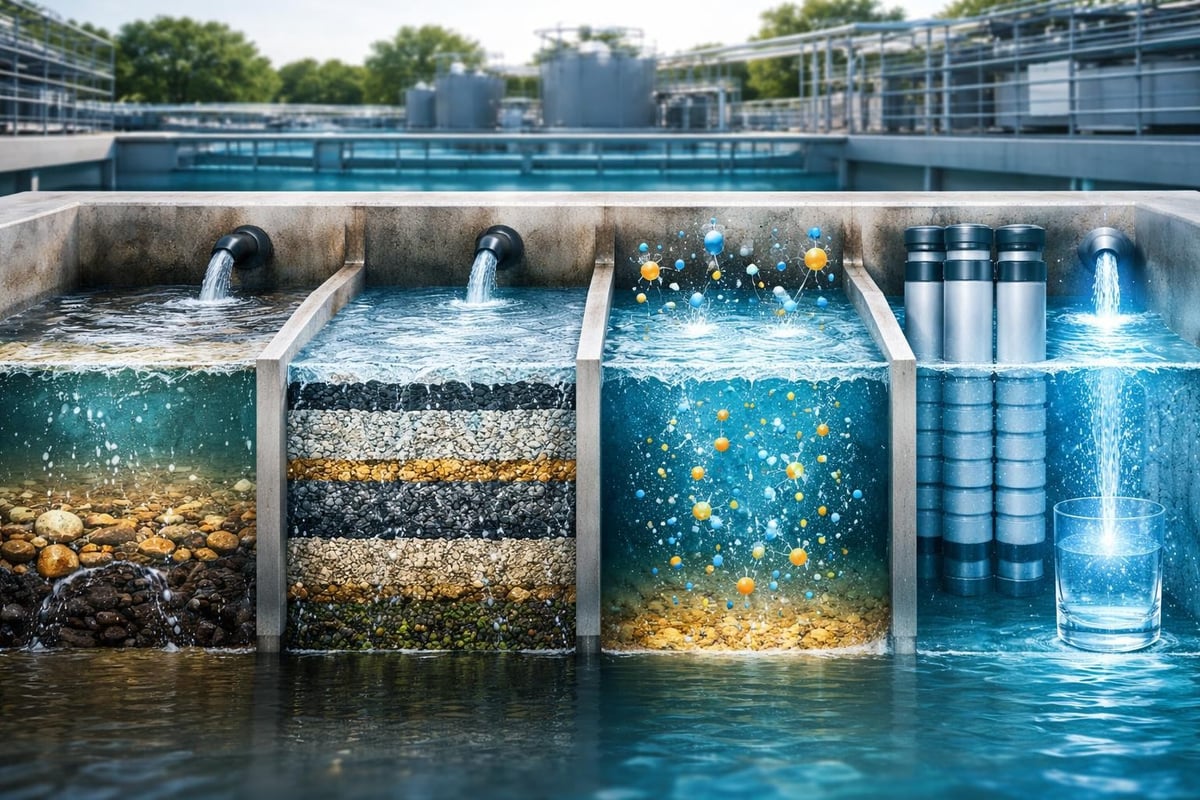
A water refinery represents a comprehensive facility designed to transform contaminated or unusable water into clean, safe water suitable for specific applications. Unlike simple filtration systems, refinery operations incorporate multiple treatment stages, each targeting specific contaminants or water quality parameters.
Core Treatment Processes
Industrial water refinery facilities employ several fundamental processes that mirror technologies available for residential use:
- Separation technologies that remove suspended solids and oils
- Chemical treatment systems that neutralize harmful substances
- Filtration arrays that capture particles of varying sizes
- Desalination processes for removing dissolved minerals
- Advanced oxidation for breaking down complex contaminants
The desalter unit in oil refineries demonstrates how industrial facilities remove salt and minerals from process streams, a principle that directly applies to residential water softening and reverse osmosis applications.
Industrial-Scale Technologies
Modern water refinery operations utilize sophisticated equipment designed for maximum efficiency and environmental compliance. The API oil-water separator exemplifies specialized separation technology that removes oils and suspended solids through gravity-based processes, ensuring wastewater meets discharge standards.
Similarly, multi-stage flash distillation provides industrial facilities with fresh water production capabilities, particularly in coastal regions where seawater represents an abundant resource. This technology converts saltwater into usable process water through controlled heating and condensation cycles.
| Treatment Technology | Primary Function | Typical Application |
|---|---|---|
| API Separator | Oil/water separation | Refinery wastewater |
| Sour Water Stripping | Gas removal | Process water cleanup |
| Multi-stage Flash | Desalination | Fresh water production |
| Advanced Oxidation | Contaminant breakdown | Final polishing |
Residential Applications of Refinery Principles
The technologies employed in water refinery facilities have been adapted and scaled for residential use, bringing industrial-grade water treatment to South Florida homes. Understanding these connections helps homeowners make informed decisions about their water treatment needs.
Filtration and Separation
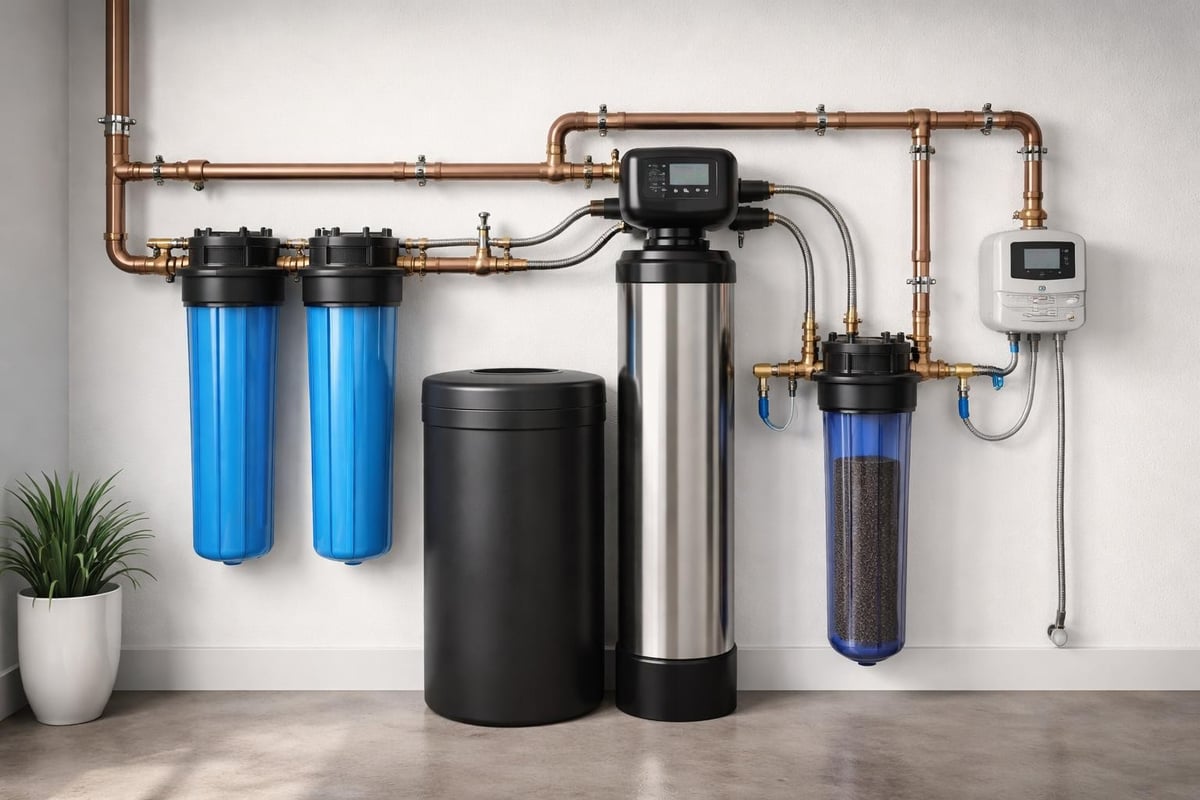
Whole-house filtration systems apply the same separation principles used in industrial facilities. These systems remove sediment, chlorine, and other contaminants before water enters your home's plumbing system. When you explore whole house filter options, you're essentially implementing a scaled-down version of industrial pre-treatment processes.
Key benefits of whole house filtration include:
- Protection of plumbing fixtures and appliances
- Improved water taste and odor throughout the home
- Reduction of chlorine and chemical exposure
- Extended lifespan of water-using appliances
Reverse Osmosis Technology
Reverse osmosis systems represent one of the most direct applications of water refinery technology in residential settings. These systems force water through semi-permeable membranes, removing up to 99% of dissolved solids, minerals, and contaminants.
The membrane-based solutions used in refinery applications demonstrate the effectiveness of this technology at industrial scale. When adapted for residential use, reverse osmosis provides unparalleled water purity for drinking and cooking.
Water Quality Challenges in South Florida
South Florida's unique geology and infrastructure create specific water quality concerns that benefit from refinery-inspired treatment approaches. The region's limestone aquifer, proximity to the ocean, and aging municipal systems all contribute to residential water challenges.
Hard Water and Mineral Content
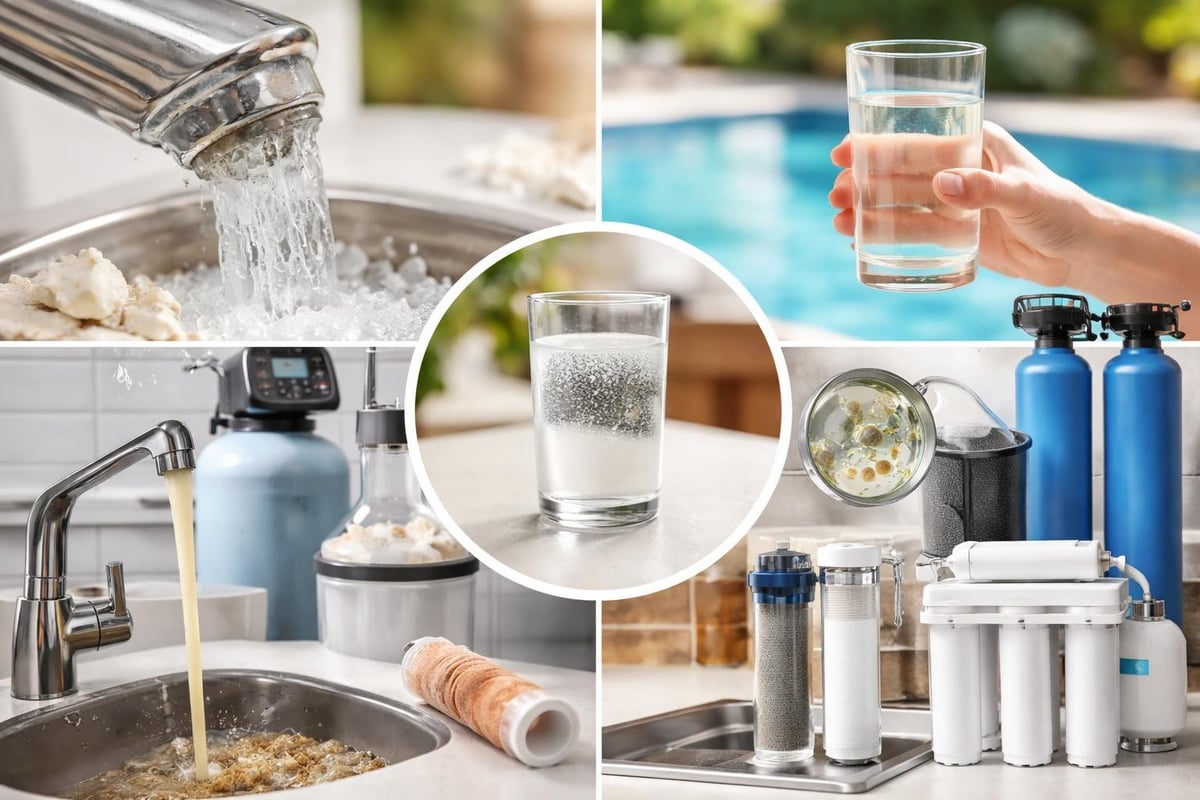
The high mineral content in South Florida water supplies necessitates softening technologies derived from industrial water refinery processes. Water softener systems remove calcium and magnesium through ion exchange, preventing scale buildup in pipes and appliances.
Hard water impacts include:
- Scale accumulation in water heaters and pipes
- Reduced efficiency of soaps and detergents
- Spots on dishes and glassware
- Dry skin and hair after bathing
- Shortened appliance lifespan
Contamination Concerns
Agricultural runoff, saltwater intrusion, and industrial activities can introduce contaminants that require advanced treatment. The water treatment services available to South Florida residents incorporate multiple technologies to address these diverse challenges.
| Contaminant Type | Source | Recommended Treatment |
|---|---|---|
| Hardness Minerals | Limestone aquifer | Water softener |
| Chlorine/Chloramines | Municipal treatment | Carbon filtration |
| Sediment | Pipe corrosion, soil | Mechanical filtration |
| Salt/TDS | Coastal intrusion | Reverse osmosis |
| Bacteria/Pathogens | Well water, aging pipes | UV disinfection |
Advanced Treatment Technologies
Modern water refinery operations continue to evolve, incorporating cutting-edge technologies that address emerging contaminants and improve treatment efficiency. These innovations increasingly find their way into residential applications.
Chemical-Free Treatment Options
UV disinfection systems provide chemical-free bacteria and virus elimination, utilizing ultraviolet light to destroy microorganisms at the cellular level. This technology, common in industrial water refinery facilities, offers homeowners an environmentally friendly alternative to chlorination.
The AquaCritox® hydrothermal oxidation process represents advanced industrial treatment for complex waste streams, demonstrating how specialized technologies handle challenging contamination scenarios. While this specific technology remains industrial-scale, the principle of oxidation-based treatment informs residential options like ozone and advanced oxidation systems.
Specialized Filtration Solutions
Iron filter systems address a common South Florida issue where well water or older municipal systems deliver water with elevated iron levels. These systems employ oxidation and filtration processes similar to those used in water refinery facilities to remove dissolved and particulate iron.
Iron removal benefits:
- Elimination of rust staining on fixtures and laundry
- Improved water taste and appearance
- Protection of plumbing components
- Prevention of bacterial growth associated with iron
System Selection and Installation Considerations
Choosing the appropriate water treatment system requires understanding your specific water quality challenges and matching them with proven technologies. Professional water testing provides the foundation for informed decision-making.
Comprehensive Water Testing
Before implementing any treatment solution, comprehensive water analysis identifies the specific contaminants and parameters requiring attention. This approach mirrors the analytical rigor applied in water refinery operations, where precise water quality data guides treatment strategies.
Testing typically evaluates:
- Total dissolved solids (TDS) measuring overall mineral content
- Hardness levels indicating calcium and magnesium concentration
- pH balance affecting corrosion and treatment effectiveness
- Specific contaminants including iron, chlorine, and bacteria
- Pressure and flow rates determining system requirements
Professional Installation
The complexity of modern water treatment systems demands professional installation to ensure optimal performance and longevity. Professional services guarantee proper sizing, placement, and configuration of treatment equipment.
Proper installation addresses:
- Correct system sizing based on household water consumption
- Strategic placement for maximum treatment effectiveness
- Integration with existing plumbing infrastructure
- Compliance with local building codes and regulations
- Proper drainage and maintenance access
Maintenance and Long-Term Performance
Like industrial water refinery facilities, residential treatment systems require regular maintenance to sustain peak performance. Establishing a maintenance schedule prevents system failures and ensures consistent water quality.
Routine Maintenance Requirements
Different treatment technologies have varying maintenance needs:
| System Type | Maintenance Frequency | Key Tasks |
|---|---|---|
| Whole House Filter | Every 6-12 months | Filter replacement, housing inspection |
| Water Softener | Monthly/Quarterly | Salt replenishment, resin bed cleaning |
| Reverse Osmosis | Annually | Membrane replacement, filter changes |
| UV System | Annually | Bulb replacement, quartz sleeve cleaning |
| Iron Filter | Quarterly | Media regeneration, tank inspection |
Performance Monitoring
Regular water quality testing verifies treatment system effectiveness. The sour water stripping process in industrial facilities demonstrates the importance of continuous monitoring and adjustment, a principle that applies equally to residential systems.
Monitor these indicators:
- Water pressure throughout the home
- Flow rates at various fixtures
- Water taste, odor, and appearance
- Appliance performance and efficiency
- System cycle frequency and duration
Economic and Environmental Benefits
Investing in comprehensive water treatment delivers measurable returns through reduced costs and environmental impact. The principles applied in water refinery operations emphasize efficiency and resource conservation, benefits that translate directly to residential applications.
Cost Savings
Quality water treatment protects your investment in appliances, plumbing, and fixtures while reducing ongoing operational costs:
- Extended appliance lifespan with water heaters, dishwashers, and washing machines lasting years longer
- Reduced energy consumption as scale-free heating elements operate more efficiently
- Lower soap and detergent usage with soft water requiring less product for effective cleaning
- Decreased bottled water expenses when high-quality drinking water flows from every tap
- Minimized plumbing repairs with reduced corrosion and scale buildup
Environmental Impact
Home water treatment reduces environmental burden through multiple pathways. Optimizing water treatment systems in industrial settings has shown how efficiency improvements benefit both operations and the environment.
Environmental advantages include:
- Elimination of plastic bottle waste from drinking water purchases
- Reduced chemical usage in cleaning and personal care
- Lower energy consumption from efficient appliances
- Decreased wastewater from soap and detergent use
- Protected local water resources through responsible treatment
Integration with Smart Home Systems
Modern water treatment technology increasingly integrates with smart home platforms, providing real-time monitoring and control capabilities. This connectivity brings industrial-level oversight to residential water management.
Remote Monitoring Capabilities
Advanced systems offer smartphone access to:
- Real-time water usage tracking
- Filter and membrane life indicators
- System performance alerts
- Automatic service scheduling
- Water quality reporting
Automated Adjustments
Smart water treatment systems automatically optimize performance based on usage patterns and water quality variations, similar to how industrial water refinery facilities employ automated process control.
Why WaterLux?
- 4.9-star rating from 100+ Google reviews
- Authorized Hague Quality Water dealer and Aquaphor distributor
- Over 14 years serving South Florida families
- families served across Broward, Palm Beach, and Miami-Dade Counties
- Free water testing — call 754-317-0104 to schedule. We show you exactly what's in your water
Regional Considerations for South Florida
The unique characteristics of South Florida water supplies require tailored treatment approaches. Understanding local conditions ensures selection of appropriate technologies and system configurations.
Coastal Saltwater Intrusion
Properties near the coast face potential saltwater intrusion, elevating TDS levels and requiring robust reverse osmosis treatment. This challenge parallels industrial desalination needs, where high-capacity systems remove dissolved salts from process water.
Municipal Water Variations
Different municipalities throughout Broward, Palm Beach, and Miami-Dade counties maintain varying treatment protocols and source water quality. Available products address this diversity with customizable solutions matching specific local conditions.
Well Water Challenges
Private well systems common in rural South Florida areas often contain elevated iron, sulfur, and bacteria levels requiring specialized treatment. These scenarios demand multi-stage approaches combining filtration, oxidation, and disinfection technologies.
Understanding water refinery principles provides valuable perspective on residential water treatment options and their capabilities. Whether addressing hard water, contaminants, or overall water quality concerns, the technologies proven in industrial applications offer reliable solutions for South Florida homes. WaterLux brings decades of expertise in water treatment technology to homeowners throughout Broward, Palm Beach, and Miami-Dade counties, offering comprehensive testing, system selection guidance, professional installation, and ongoing maintenance to ensure your family enjoys clean, safe water every day.
Frequently Asked Questions
- What water treatment system is best for South Florida homes?
- Most South Florida homes benefit from a combination of a water softener (for hard water) and an under-sink reverse osmosis system (for purified drinking water). Some homes also need whole-house carbon filtration for chlorine and chloramine removal. A free water test determines the right combination.
- How long does water treatment installation take in South Florida?
- Professional installation of a water treatment system in South Florida typically takes 2-4 hours. The process includes water quality assessment, system sizing, plumbing connections, and a complete evaluation. Most homeowners are using filtered water the same day.
- Is South Florida tap water safe to drink without a filter?
- South Florida tap water meets minimum EPA standards but contains chlorine, hard minerals (10.8–22.2 GPG before treatment), and trace contaminants including potential PFAS. While technically safe, many Broward County homeowners choose treatment for better taste, appliance protection, and added peace of mind.
- Does WaterLux offer free water testing in South Florida?
- Yes. WaterLux provides free professional water testing for South Florida homeowners. A technician tests your water on-site and explains exactly what contaminants are present and which treatment system is recommended. Call 754-317-0104 to schedule.
- How long has WaterLux been serving Broward County?
- WaterLux has been providing water treatment solutions across Broward County for over 14 years, serving South Florida families. We are an authorized Hague Quality Water dealer and Aquaphor distributor with a 4.9-star Google rating. Call 754-317-0104 for your free consultation.
Sources:
- U.S. Geological Survey — Water Hardness and Alkalinity
- EPA — Ground Water and Drinking Water Standards
- Water Quality Association — Hard Water Treatment Methods
- Florida DEP — Drinking Water Program
Ready for Better Water?
waterlux.com — Free water test & consultation
4.9★ across 108 Google reviews · licensed & insured.